Why Did My Backflow Test Fail? Common Causes & Fixes
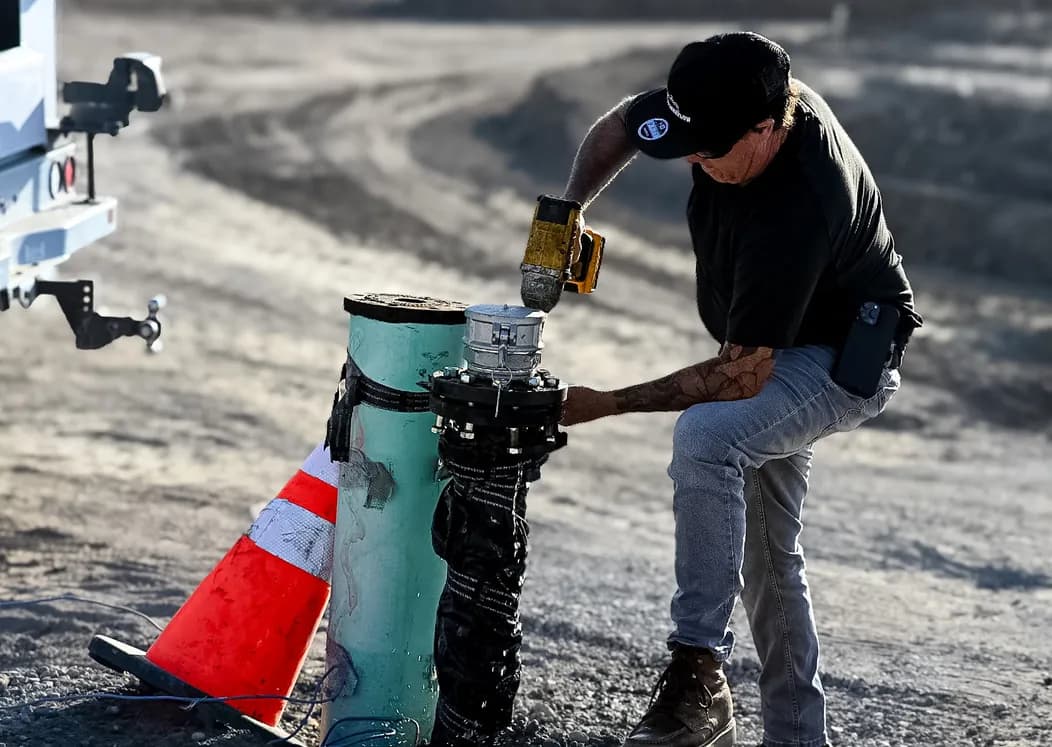
A failed backflow test isn't a disaster — it's the system doing its job by catching a problem before it affects your water. Here are the most common reasons assemblies fail, and what it takes to fix them.
1. Worn or fouled check valves
The rubber discs and springs inside a check valve wear out over time, or get held open by grit and debris. When a check won't seal, the assembly fails. The fix is a rubber kit rebuild — replacing the worn internals with the correct parts for your brand and model.
2. A leaking or stuck relief valve
On an RPZ, the relief valve is designed to discharge if pressure drops. If it's continuously spitting, weeping, or stuck, the device fails. Relief valves are rebuildable with the right kit.
3. Debris in the line
Construction debris, scale, or sediment can lodge in a check and hold it open. Flushing and cleaning, plus a rebuild of any damaged parts, usually resolves it.
4. Freeze damage
A hard freeze can crack the body or damage internal components — one of the most common (and most preventable) causes of failure in our area. Severe freeze damage may require replacing the assembly. The fix going forward is freeze protection.
5. Fittings and installation issues
Sometimes the assembly itself is fine but a shut-off valve, test cock, or fitting is leaking and causing a failed reading.
The good news: most failures are a same-day fix
Because we carry common repair kits on our trucks, we can usually diagnose, rebuild, and re-test a failed assembly in a single visit — then file the passing result with your water district.
If your device failed its test, call 916-276-7162 or learn more about our repair service.